
Independent buying guidance
Butane Torch Reviews
Compare refillable butane torches for cooking, crafts, jewelry work, soldering, and general workshop use. Our reviews explain flame control, ignition, handling, capacity, value, and the tradeoffs that matter for each type of user.
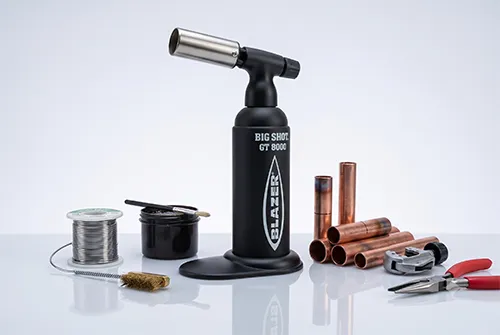
Featured review · Best all-around
Blazer GT8000 Big Shot Review
The GT8000 is our strongest all-around recommendation for frequent users who want a stable tabletop torch with adjustable flame control and enough versatility for culinary, jewelry, craft, and light workshop tasks.
Reviewed models
Find the Right Torch for the Job
Start with the use case that matters most. Each review explains who the torch suits, where it performs well, and when another model is the better choice.
Best all-around
Blazer GT8000 Big Shot
A stable, refillable tabletop torch for frequent culinary, jewelry, craft, and light workshop use.
Read review →
Precision pick
Blazer GB4001 Stingray
A compact precision-oriented torch for jewelry, crafts, detailed soldering, and other controlled-heat tasks.
Read review →
Value pick
Sondiko S907
A convenient lower-cost option with one-handed ignition and a visible fuel gauge for cooking and occasional projects.
Read review →
Compact pick
Blazer ES1000CR Spitfire
A smaller refillable torch for jewelry, crafts, and focused work where compact dimensions matter more than broad heat coverage.
Read review →Buying help
Not Sure Which Torch You Need?
Use these guides to narrow the field by task, features, price, and fuel requirements before reading individual product reviews.
Comparison
Top 10 Butane Torches
Compare our leading choices and see which models fit different budgets and uses.
Compare top picks →Buying guide
How to Choose a Butane Torch
Learn how flame shape, ignition, capacity, stability, ergonomics, and intended use affect the decision.
Read the buying guide →Fuel guidance
Butane Fuel Guides
Choose compatible fuel, refill safely, and troubleshoot fuel-related problems.
Browse fuel guides →Troubleshooting
Why Your Butane Torch Won’t Light
Work through fuel-flow and ignition symptoms safely and learn when to stop using the torch.
Open troubleshooting guide →How recommendations are made
Clear Criteria, Useful Tradeoffs
We compare documented specifications, controls, intended applications, handling, fuel requirements, price, and meaningful limitations. Reviews distinguish manufacturer-supported facts from editorial judgments and avoid unsupported testing claims.